
The counter, not the menu
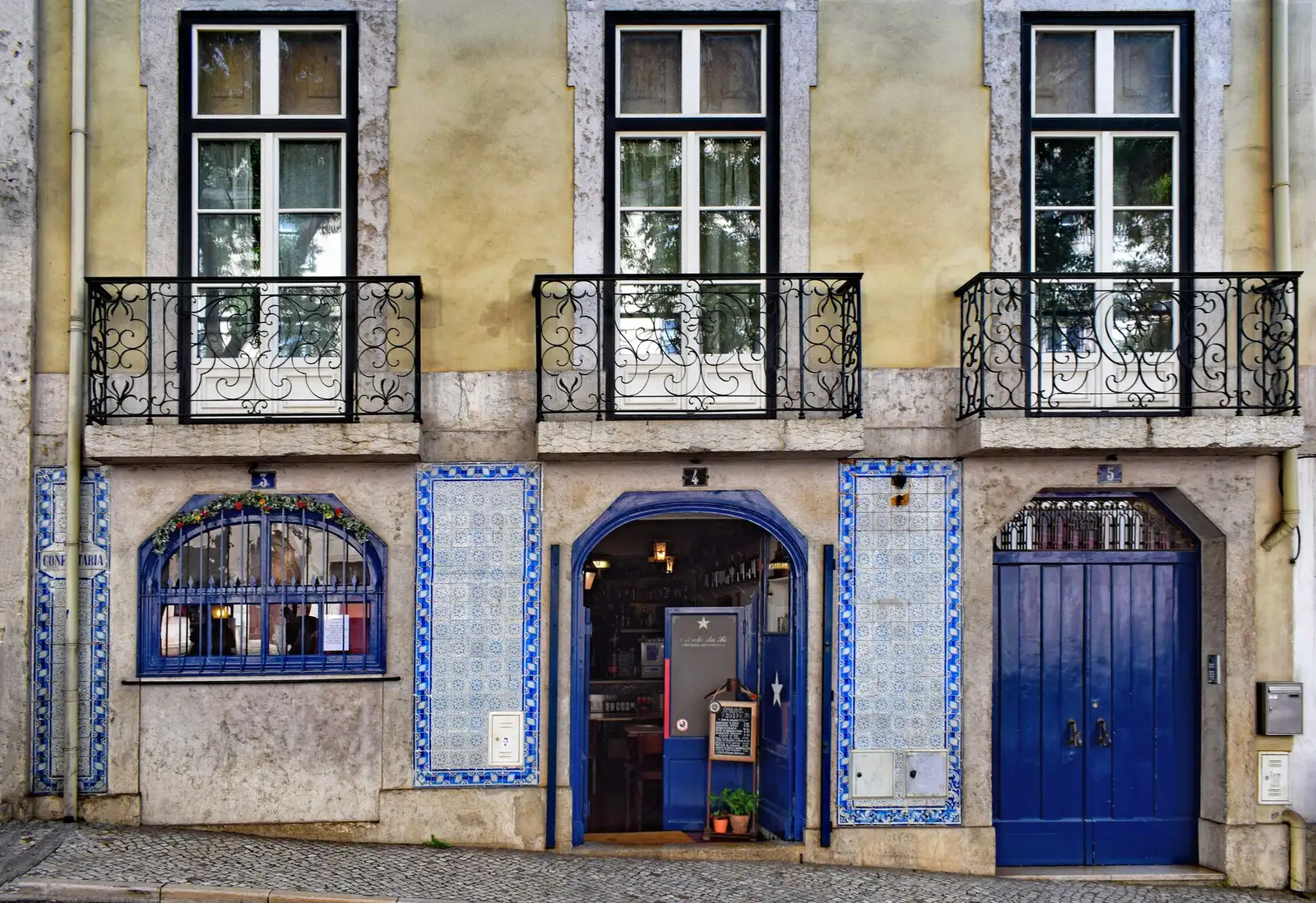
At 12:40 on a Tuesday in Arroios, a Lisbon neighborhood most tourists pass through on the way to somewhere else, there's a tasca with four tables and a counter that seats three more. No sign out front worth photographing. A chalkboard leans against a crate by the door, and the writing on it changes every day: bacalhau à brás, feijoada de marisco, costeletas. By 12:50 every seat is taken, and a man in a work vest is standing at the counter eating soup with his jacket still zipped, because he has eleven minutes before he has to be back on a job site three streets over.
This is the tasca at lunch, and it runs on rules nobody bothers to explain because nobody's ever needed them explained. You either know them already, from having grown up eating this way, or you figure them out fast, usually by getting something slightly wrong first.
What prato do dia means, and why nobody asks twice
The prato do dia is the dish of the day. At a tasca, it's close to the entire menu. Some places print three or four options. Plenty print one. You walk in, you look at the board, and you tell the person behind the counter what you want, usually in three words or fewer: "o bacalhau," "a sopa e o frango." Nobody hands you a laminated menu with photographs. Nobody explains what feijoada is. If you don't know, you ask the person next to you, and they'll tell you, briefly, and then go back to their meal.
The price is fixed and it's low, often eight to eleven euros including soup, a main, bread, a drink, and coffee. That price has held roughly steady for years in the neighborhood tascas that still serve the old lunch crowd, which is one reason regulars keep coming back at the same time every day. A working lunch here means feeding the same forty or fifty people, five days a week, fast and without fuss.
The clock nobody wrote down
Lunch at a tasca has a shape, and the shape is tighter than most visitors expect. The door opens around noon. By 12:30 the good tables are gone. By 1:15 the kitchen is running at full speed and the owner or whoever's working the floor stops smiling and starts moving people through with short sentences. By 2:00 the crowd thins fast. By 2:30, in a lot of places, the kitchen has closed and what's left is a few stragglers finishing coffee and the staff eating their own lunch standing up in the back.
That window, roughly 12:30 to 2:00, maps onto the standard Portuguese workday, where lunch breaks tend to run about an hour, sometimes ninety minutes, and most offices and shops in a given neighborhood send their people out at more or less the same time. Visitor Lisboa's own guidance to travelers notes that most restaurants, tascas included, expect lunch service to wind down by early afternoon and dinner not to start again until well after eight (visitlisboa.com). Show up at 2:45 hoping for a leisurely sit-down lunch and you'll often find the kitchen already shut, chairs going up on tables, someone mopping near your feet.
What reads as chaos from the outside (the crowding, the short exchanges, the sense that everyone's in a hurry) is a schedule everyone in the room already agreed to before they walked in. The rush is forty people trying to eat a real meal in under an hour and get back to work.
Sharing a table without saying much
At a full tasca, if there's an open chair at an occupied table, someone will point you to it. This is arithmetic: four tables, twelve chairs, fifty hungry people between noon and two. You sit down across from two men mid-conversation about football or the price of building materials, you nod, maybe say bom dia even though it's afternoon, and then you eat your own lunch while they continue theirs.
There's no obligation to make conversation, and there's also no expectation of privacy. You'll hear the whole argument about whether Benfica's midfield is worth what they paid for it. Nobody's bothered that you're listening. Nobody expects you to weigh in either, though if you do, in halting Portuguese, you'll usually get a laugh and maybe an opinion corrected.
What trips visitors up is the silence around the sharing. In many dining cultures, sitting at someone's table means you're now part of their meal, socially. At a tasca you're two separate lunches occupying the same surface. That distinction, obvious to a regular, reads as coldness to a visitor expecting either full privacy or full welcome and getting something in between.
What comes before you order anything
Bread arrives, usually unasked, sometimes with a small dish of olives or a bit of cheese. This is couvert, and it costs money. If you eat it, you're charged for it, a euro or two, itemized on the bill without apology. If you don't want it, you say so before you touch it, or you leave it stacked at the edge of the table untouched and it comes off the check. Once you've broken the bread, that decision's made.
Wine at lunch is ordinary here in a way that surprises people who've internalized wine as an evening, occasion-based drink. A glass of house red or white, often unlabeled, arrives in a small carafe or a plain glass, costs almost nothing, and gets ordered by construction workers and office managers alike without anyone remarking on it. Nobody's getting drunk at a tasca lunch. It's one glass, sometimes half a glass, treated the way other places treat a glass of water.
Coffee comes last, always, and it's small: a bica, the Lisbon term for an espresso elsewhere, drunk standing at the counter in under a minute while you settle the bill. If you linger over it at the table past 1:45, you'll feel the room's attention shift slightly, aware that you're occupying a chair somebody else might need in twenty minutes.
What visitors get wrong
The most common mistake is timing. Travelers used to flexible European dining hours assume they can wander into a tasca at 3:30 for a late lunch, the way they might in parts of Spain, and find the kitchen dark, the chairs stacked, one employee sweeping. Tascas operate around a working shift that ends and doesn't restart until dinner, and dinner in Portugal often doesn't get going until eight or later.
The second mistake is treating the prato do dia board as a suggestion and asking for substitutions or off-menu dishes. Most tasca kitchens are two people, sometimes one, cooking for a full room on a tight clock. There's no allowance for special requests the way there might be at a restaurant built for tourism. Order what's on the board, or order the alternative dish if there is one, and if there isn't, that's your answer.
The third is showing up in a group of six or eight expecting a table together during peak hours. Some tascas can manage it if you call ahead or arrive right at noon before the rush. Most can't, because the room simply doesn't have six-person tables to spare between 12:30 and 2:00. If you're traveling with a group and want to eat this way, it helps to think about lunch logistics the same way you'd think about getting a group across a city on public transport during rush hour, and Live By Locals' companion piece on mastering local transportation covers a version of that same crowding math, applied to trains and buses instead of tables.
North versus south, more or less
A tasca in Porto and a tasca in Lisbon aren't running identical scripts, though the bones are the same. Porto's lunch crowd, especially around the Bolhão market and Rua das Flores, tends to lean harder into tripe dishes and francesinha variations at lunch, a heavier, colder-weather kitchen that matches the city's damp winters. Lisbon tascas, especially in Arroios, Anjos, and around Martim Moniz, lean more toward bacalhau in its dozen forms and grilled fish depending on the day's market delivery.
Neither city runs on a fundamentally different clock, though. Turismo de Portugal's general visitor guidance describes lunch as the heavier meal of the day nationwide, with the 12:30 to 2:00 window holding across most regions, urban and rural alike (turismodeportugal.pt). What changes is what's on the board, not when the board goes up.
In smaller towns outside the two big cities, the window can shrink further. In a village tasca, if you arrive at 1:50, you may find the kitchen already deciding whether to let you order at all. City tascas, with a bigger crowd to serve, tend to stretch a little longer into the afternoon on the margins.
How to eat there without making it weird
Go early in the window, closer to 12:30 than 1:30, if you want a table without waiting and a kitchen still working at full attention rather than triage speed. Look at the board before you look for anyone to explain it to you, and if you don't recognize a word, ask the person next to you rather than the person behind the counter, who's got forty plates to get out.
Order the prato do dia. Don't ask what's vegetarian unless the board already tells you, because most tasca kitchens aren't built to improvise a second menu on the spot, and asking puts a server in an awkward spot they didn't create. If the room's full and there's an open seat at a stranger's table, take it, eat your own meal, and don't feel obligated to perform friendliness you don't feel. A nod covers it.
Pay in cash if you can, since plenty of the smallest tascas still run that way, and don't linger past the point the room clearly wants your chair back. None of this is etiquette theater. It's matching the room's actual rhythm instead of importing a rhythm from somewhere else and wondering why it doesn't fit.
If you're building out a longer stay and trying to figure out how much a lunch like this should cost you against everything else on the day's ledger, it's worth running the numbers the way Live By Locals lays out in building a realistic travel budget, because an eight-euro tasca lunch changes your daily math far more than a sit-down tourist restaurant does, and planning around that difference, rather than discovering it on day four, saves both money and stress.
The tasca at lunch isn't performing anything for you. It's feeding the neighborhood on a clock the neighborhood already agreed to, one plate at a time, and the fastest way to belong in that room for forty minutes is to stop looking for the version of the meal you already know and eat the one that's in front of you.


Comments (0)
No comments yet. Be the first!