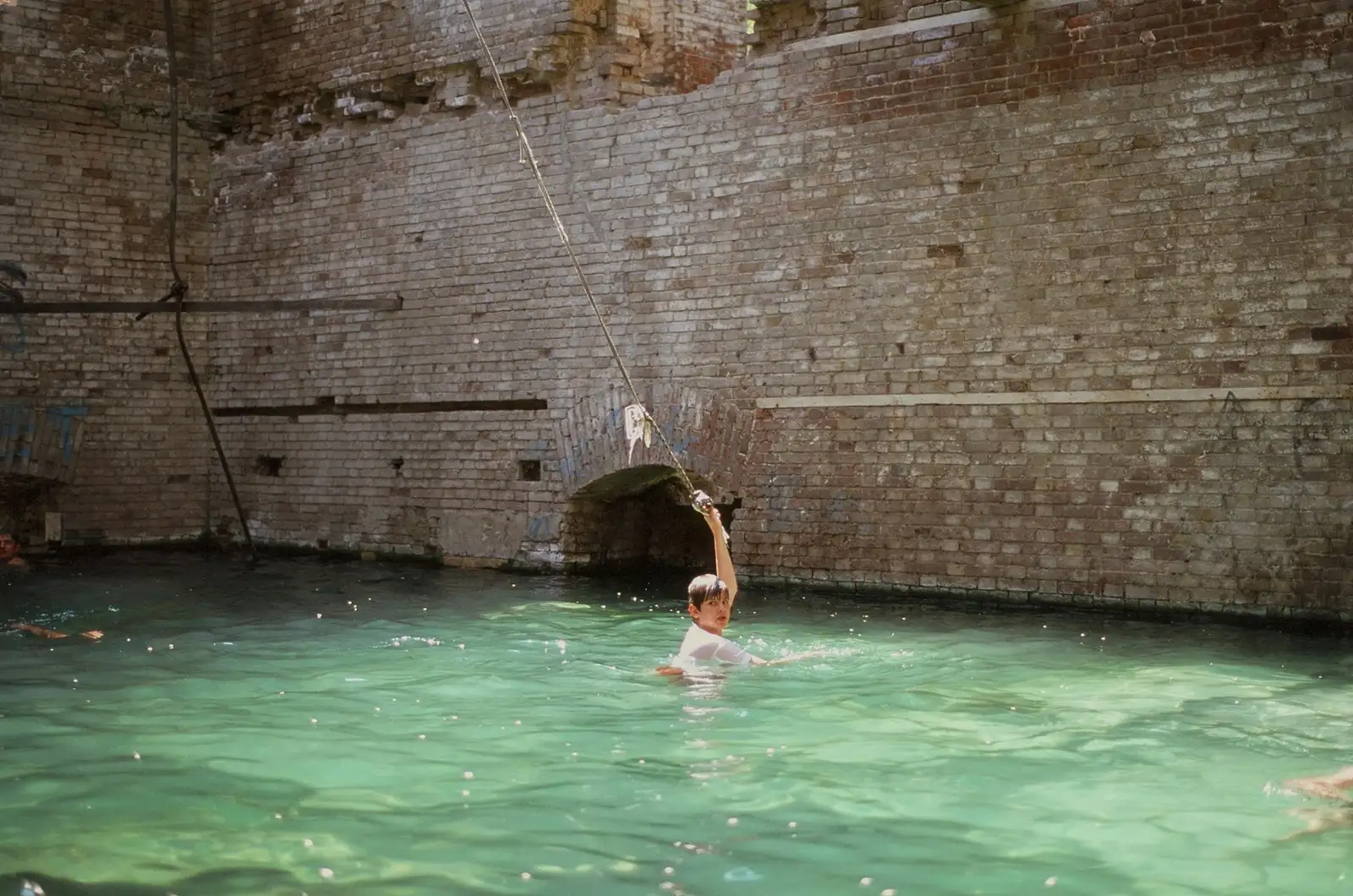

The smell hits you first. Birch leaves, wet wood, a faint mineral note. Then the heat: not the dry, almost polite heat of a Finnish sauna, but heavier, more insistent. A heat that has opinions about you.
Walking into a Russian banya for the first time is disorienting, and not just because of the temperature. There's a whole set of unspoken understandings operating in that steam-filled room, a social grammar that regulars have absorbed over decades and that visitors tend to miss entirely. Not because it's obscure, but because nobody explains it. You're expected to know.
This guide tries to explain what most travel writing doesn't bother to.
What the Banya Actually Is
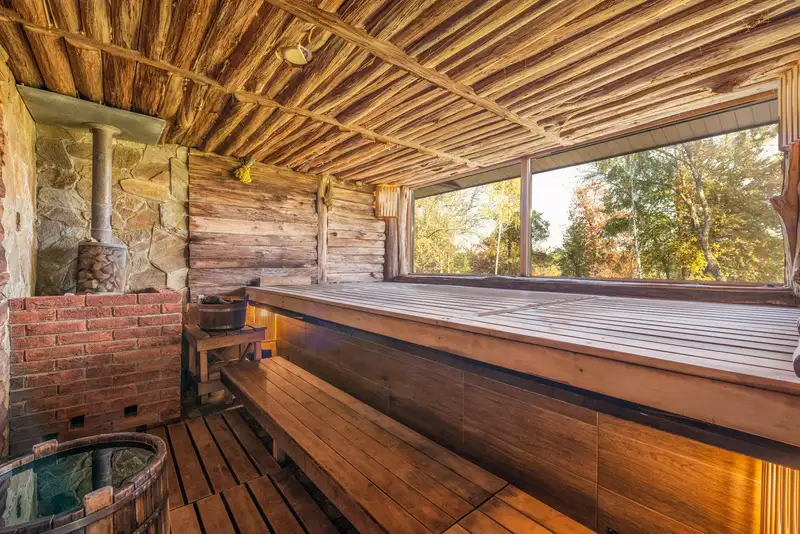
It's worth separating the banya from other steam-bath traditions before going further. The Russian banya is a wood-fired bathhouse: traditionally a small structure separate from the main house, heated by a stone furnace called a pech or sometimes a metal stove. Water is poured over hot stones to generate steam, which Russians call par. The goal is intense, wet heat, often reaching 70 to 90 degrees Celsius with high humidity. This isn't a spa. It's closer to a weekly ritual, a form of bodily maintenance that Russians take seriously.
Public banyas (the urban, Soviet-era communal ones) are a different kind of institution. Places like the Sandunovskie Baths in Moscow, which have operated in some form since 1808, are architectural monuments as much as bathhouses. They served an essential social function in an era when most urban apartments had no bathing facilities at all. The communal banya was where you went to wash, yes, but also where you talked, complained, made deals, maintained friendships. Some of that social function persists even now.
The UNESCO Intangible Cultural Heritage framework has documented steam-bathing traditions across Northern and Eastern Europe as living practices tied to seasonal rhythms, community health, and cultural identity: not as historical curiosities. The Russian banya fits well within that understanding.
A Morning at the Banya: What It Actually Looks Like
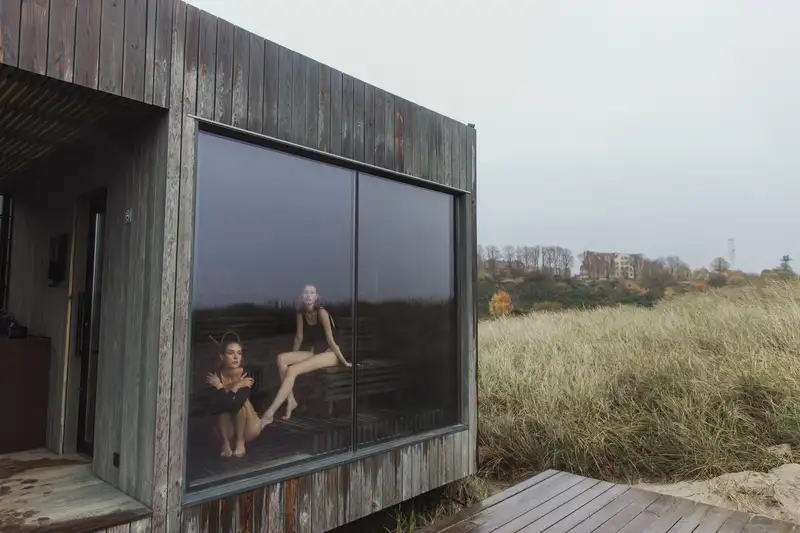
Picture a Saturday in January in any mid-sized Russian city. Seven in the morning. A group of men, three or four of them, arrive at a neighborhood banya before it gets crowded. They bring a bag: felt hats, a bundle of dried birch branches called a venik, a bottle of kvass, maybe some dried herbs. One of them has been coming here since his father brought him as a child.
They talk while undressing. There's no rush whatsoever.
The first session in the parnya (the steam room itself) lasts maybe ten minutes. Conversation drops off. Someone pours water over the stones, the moment is called poddavat, and the steam that rises is called zhivoy par, "living steam." You can feel it settle on your skin differently than the ambient heat.
Then they leave. They sit on wooden benches in the cooling room, wrapped in towels, drinking the kvass. Someone makes a joke. The conversation picks up again. Maybe fifteen minutes pass.
Second session. This time, one of them uses the venik: that bundle of birch branches, soaked in hot water until it goes soft and fragrant. He beats his friend's back with it, moving from shoulders to calves in a steady rhythm. The technique matters more than most outsiders expect. You're not hitting someone with leaves, you're directing steam, increasing circulation, distributing heat. A skilled venik user is valued in that room.
The cold plunge comes after. A pool, a barrel of cold water, sometimes an outdoor snowbank in the countryside. The contrast is the point. Russians describe it as the body "closing" after opening.
This cycle (heat, then rest, then cold) repeats two or three times. The whole ritual takes two to four hours. Not because it needs to, but because the pace is part of what it is.
The Venik: More Than a Bundle of Leaves
The venik deserves its own section because visitors often treat it as a novelty and Russians treat it as a craft.
Birch is the most common variety, the leaves contain essential oils said to soften skin and open pores. Oak veniki are considered better suited to oilier skin. Eucalyptus and juniper have their devoted advocates too, and Russians who take their banya seriously will have strong opinions on the matter. Harvesting the branches happens at a particular point in summer, just after the leaves fully open but before they toughen. How you dry and store them matters.
When you use a venik on someone, you're doing something that requires attention. Too aggressive and it stings. Too gentle and you're not moving the steam at all. The proper motion is more of a sweeping press than a slap; you're pushing hot air against the skin with the leaves. Some people steam the venik in a small bucket before use, others dip it briefly, and there are strong opinions about both approaches.
Getting a skilled venik treatment from a parilshchik, a professional steam master in a public banya, is considered a valued service, not unlike a massage. It's not theatrical. It's functional, and people pay for it specifically.
The Social Architecture of the Banya
Here's something that surprises most foreign visitors: the banya isn't primarily about cleanliness.
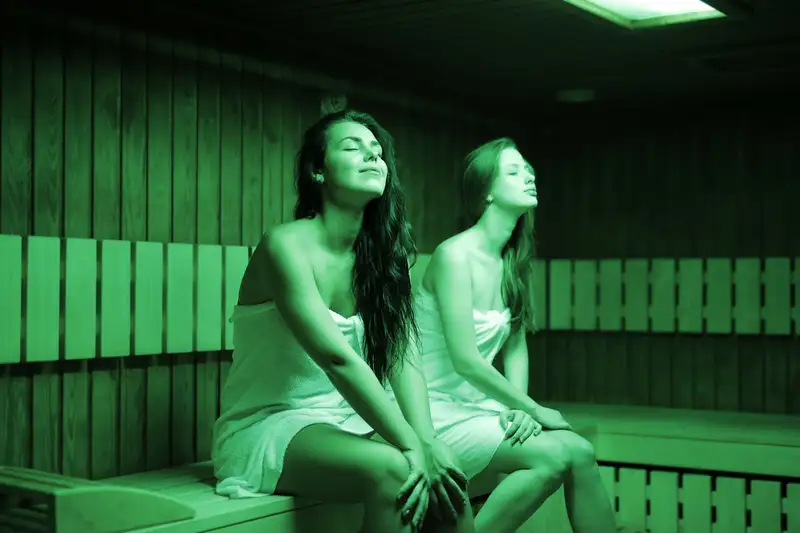
Well; it is, in the literal sense. You leave very clean. But that's almost incidental to what's happening socially. Russians describe the banya as a place where social hierarchies flatten. You're naked, sweating, wearing a felt hat. The boss and the junior employee are on equal footing, or at least that's the ideal. Business negotiations, difficult conversations, reconciliations: these happen in the cooling room, between rounds of steam, in a way they wouldn't happen anywhere formal.
There's a phrase, "v bane vse ravny", in the banya, everyone is equal. I'm not sure it's entirely true (and Russians themselves debate it), but it reflects a cultural value attached to the space. The banya is one of the few contexts in Russian social life where informality isn't permitted but expected.
Women go to the banya too, this sometimes surprises Western visitors who assume it's exclusively male. Public banyas have traditionally had separate days or sections. Private banyas at dachas are used by families and mixed groups. The social dynamics shift depending on context, but the ritual logic stays consistent.
Dacha culture and banya culture are deeply intertwined. The small wooden bathhouse at the edge of a dacha plot is one of the most persistent images in Russian domestic life. Weekend trips to the dacha (especially during the Soviet era, when urban apartments were cramped and dachas offered a kind of collective breathing room) almost always included a banya session. Many Russians who grew up with this associate birch steam with nostalgia for childhood summers.
What Outsiders Tend to Get Wrong
The first misunderstanding is treating the banya as an extreme sport. Some Western visitors approach it competitively, trying to outlast everyone in the steam room, refusing to leave when uncomfortable, treating the cold plunge as a dare. This misses the point entirely. The experienced banya-goer leaves before they need to. The whole rhythm is about reading your own body, not proving anything.
The second mistake is rushing. Two hours isn't unusual for a proper session at a dacha or private bathhouse. Showing impatience (checking your phone in the cooling room, trying to compress the ritual) registers as social awkwardness that's hard to explain but easy to feel. The banya is slow, and that's not a flaw.
Then there's the question of alcohol. Beer or light drinks in the cooling room are common enough, and that's fine in moderation. But the idea that the banya is a drinking occasion, which some visitors pick up from certain representations of Russian culture, isn't quite right. Many regulars don't drink at all during the session, or wait until they've cooled down completely. Dehydration is a real concern, and the traditional choices are kvass, herbal tea, or plain water.
Public Banyas and Their Particular Character
The large communal banyas that survived from the Soviet era have a character entirely their own.
The Sandunovskie Baths in Moscow are probably the most famous, built in a style that can only be described as imperial excess, with high ceilings and marble and a grandeur that seems almost satirical given that you're there to sweat. But their persistence into the 21st century says something real about how embedded the banya is in Russian urban life. They're not tourist attractions that happen to function. They're functioning institutions that also attract tourists.
Other cities have their equivalents. St. Petersburg has the Kruglye Bani. Smaller cities have their neighborhood banyas, often unremarkable from the outside, full of regulars who've been coming for thirty years.
In these spaces, there's etiquette around the parnya. You don't claim the best spots (the upper benches, where the steam is hottest) if you're a newcomer and experienced users are waiting. You pour water on the stones carefully, ideally warning others first, since a sudden blast of steam can be unwelcome. You don't bring food into the steam room. You keep the noise down.
None of this is posted anywhere. You learn it by watching.
The Banya Year: Seasonal Rhythms
The banya has a different character in winter than in summer, and Russians are attuned to this distinction.
In winter, at dachas or in rural areas especially, the cold plunge becomes literal immersion in snow, or cutting a hole in a frozen pond. The contrast between the steam room and outdoor cold is at its most extreme, and this is considered the ideal version. Some Russians observe the tradition of banya on particular dates, the night before a significant Orthodox holiday, for instance, or on a Thursday. The exact customs vary by region and family.
Summer banya has its own pleasures. The heat outside softens the shock of the transition. Sessions tend to run longer and feel more relaxed, people lingering outdoors between rounds, sitting on wooden benches in the evening light.
January 19th (Kreshcheniye, the Orthodox Epiphany) involves ritual bathing in icy water across Russia, though this is technically distinct from the banya tradition. But the two practices share an underlying logic: the idea that extreme temperature change is purifying, both physically and spiritually.
The Banya as a Lens on Russian Social Life
The banya is one of the more revealing windows into how Russians relate to each other, specifically how intimacy and privacy function differently than they do in, say, Western European contexts.
Russians are often described by outsiders as reserved in public, on the metro, in shops, in formal settings. That's true. But the banya is a completely different register: a space of physical closeness, shared vulnerability, and conversation that can go anywhere. Is it any wonder that the contrast between those two modes confuses foreign visitors? It's not that Russians are closed off, it's that they have contexts for openness, and the banya is one of the primary ones.
For travelers interested in understanding this kind of cultural texture, the way social life organizes itself around specific spaces and rituals, the banya offers more than most museums can. An operator like Culture Discovery Vacations takes a similar approach to cultural immersion in other contexts, building itineraries around daily rhythms and social spaces rather than monument-to-monument touring. The underlying idea is the same: you understand a place better by participating in its routines than by observing its landmarks.
If you have access to a private banya through a homestay or a dacha visit, that experience is different from a public one. The dynamics are more intimate, you're a guest in someone's ritual. The right move is to follow the host's lead entirely, how long to stay in, when to take the cold plunge, what to drink, how much to talk. Russians who invite a foreigner to their banya are offering something real. Treating it casually would be a mistake.
One Thing to Try
If you find yourself in a Russian city with access to a public banya, go on a weekday morning rather than a weekend. The regulars who come on weekday mornings tend to be older, unhurried, and more willing to explain things to a curious stranger, especially if you show interest rather than the detached air of a tourist documenting a custom.
Sit in the cooling room between rounds. Leave your phone in your bag. Let the conversation happen around you, even if you don't understand a word. Watch how people move, how long they stay, how they talk to each other.
You don't need Russian to understand what's happening in that room. The rhythm tells you most of it.
For further context on steam-bathing traditions across Northern Europe and their cultural dimensions, the National Geographic coverage of Nordic and Slavic bathing traditions offers useful comparative framing. For specifics on the Sandunovskie Baths and their history, the baths themselves maintain archival information on their founding in the early 19th century.
For readers thinking about travel logistics (where to stay relative to a neighborhood banya, or how to budget for a day that moves at this kind of pace) the frameworks at tripplan.org on accommodation choices and building a realistic travel budget are worth reading before you go.

Comments (0)
No comments yet. Be the first!